Tourism & hospitality
Designing a stay, from arrival to the memory of a place.
Place begins the guest experience
Architecture is part of a journey. The approach, the first view of a landscape, the room threshold and a place to sit outdoors shape the stay. Design begins with the setting and the kind of visit, keeping the character of the place legible through the experience.
In hotel, retreat or tourism design, architectural character develops through the relationship with the setting. Views, light and outdoor quality gain meaning alongside the accommodation programme. Rooms, terraces and shared spaces should form a continuous experience, keeping the guest connected to the place throughout the complex.
Guest ease, thoughtful service planning
Hospitality depends on spaces guests may never see: staff routes, kitchens, storage and service access. These are planned alongside rooms, dining and common areas. Their coordination gives the guest experience an operational foundation.
Hotel and hospitality planning depends on connecting these two sides of the experience. Deliveries, everyday staff work and equipment maintenance need to coexist with guest use. Considering service logic alongside architecture grounds spatial arrangement and connections in the practical needs of hosting.
A destination through the seasons
Hospitality programmes need to respond to seasons and patterns of attendance. Accommodation capacity, supporting services, maintenance and phased development are considered alongside architectural decisions. The aim is a place whose everyday use and management can be planned beyond opening day.
Understanding busy seasons and quieter periods helps interpret the programme. Shared areas, dining and accommodation may be used at different intensities over time. Reading these patterns alongside architecture supports decisions about appropriate capacity and phased development, rather than allowing one season to determine every choice.
Architecture of memory and use
A tourism destination remains in a guest’s memory through a few moments: arrival, a first view, a seat and the return to the room. Designing these moments calls for continuity between small spaces and the overall composition, and between guest ease and the daily work of hosting.
Azhianeh’s accommodation studies, from Z Mist to its hotel dossiers, offer different ways to read this question. Each setting calls for its own spatial response, and the architectural narrative should express that place. The aim is an experience connected with its surroundings and clear in its use.
Azhianeh in hospitality
From hotels to tourism villages: design, study and investment
Over the years Azhianeh has designed several hotels and tourism complexes, from Arta Hotel in Qeshm and Azna to tourism-village studies in Mazandaran. We have also invested in this field, which forces us to see every design through the operator's eyes.
Much of this work is ideation and study: we read the land, write the guest journey and test the operating model before drawing. The approach goes back to the founders' book on rural ecotourism. Several tourism and hospitality projects in Mazandaran are now in study, permitting and construction.
If you own land in the mountains, on the coast or by the forest, or are considering investing in a boutique hotel or tourism village, we start with a site assessment and the guest experience, not a facade image.
Tourism & hospitality projects
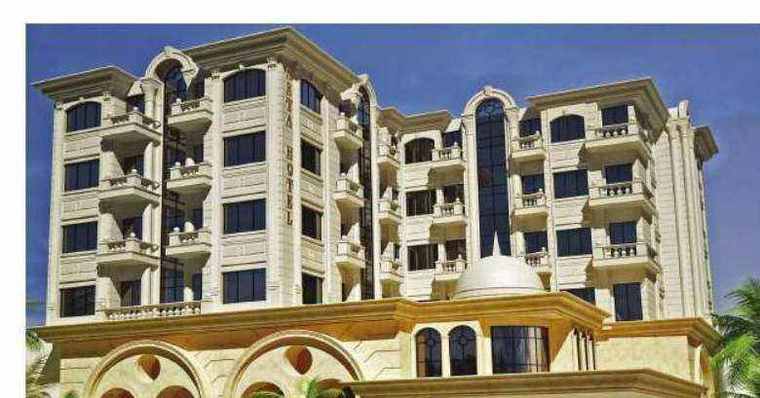 QeshmArta Hotel
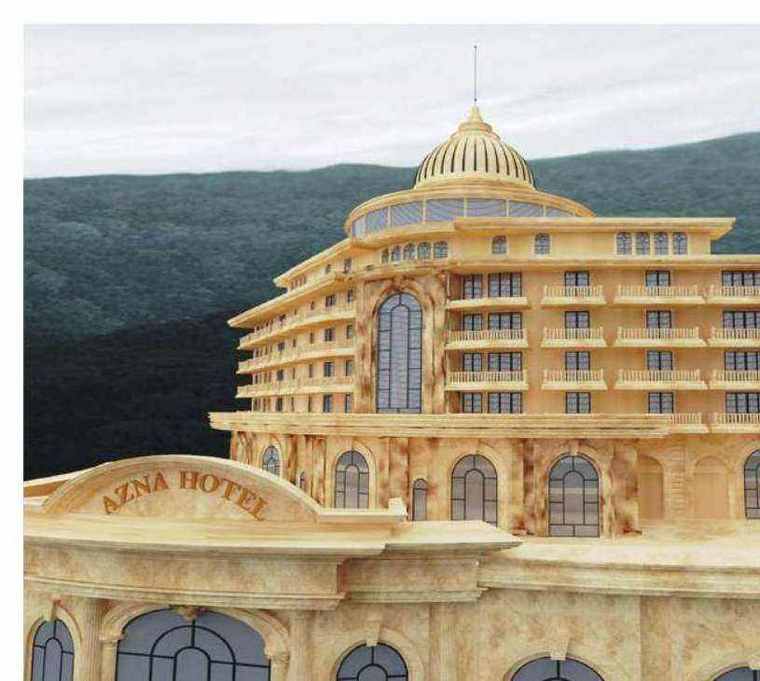 LorestanAzna Hotel & Recreation Complex
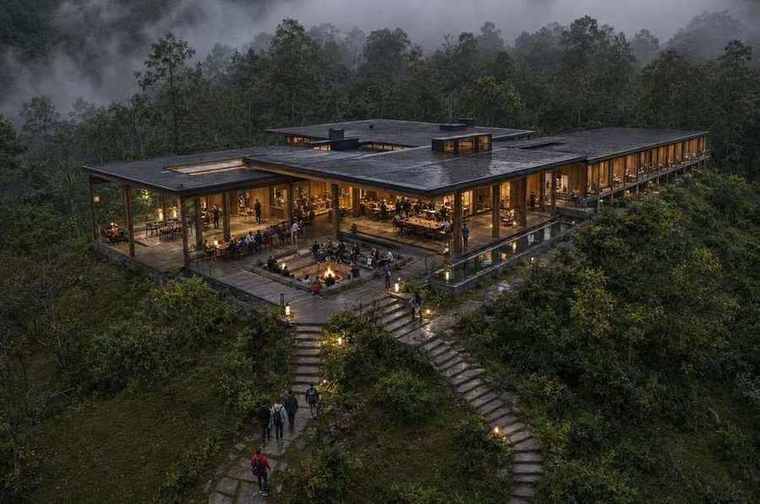 Nowshahr highlands, MazandaranZ Mist | Hospitality StudyZ AvaraNear Kelardasht, MazandaranZ Avara | Mountain Tourism & Villa Retreat
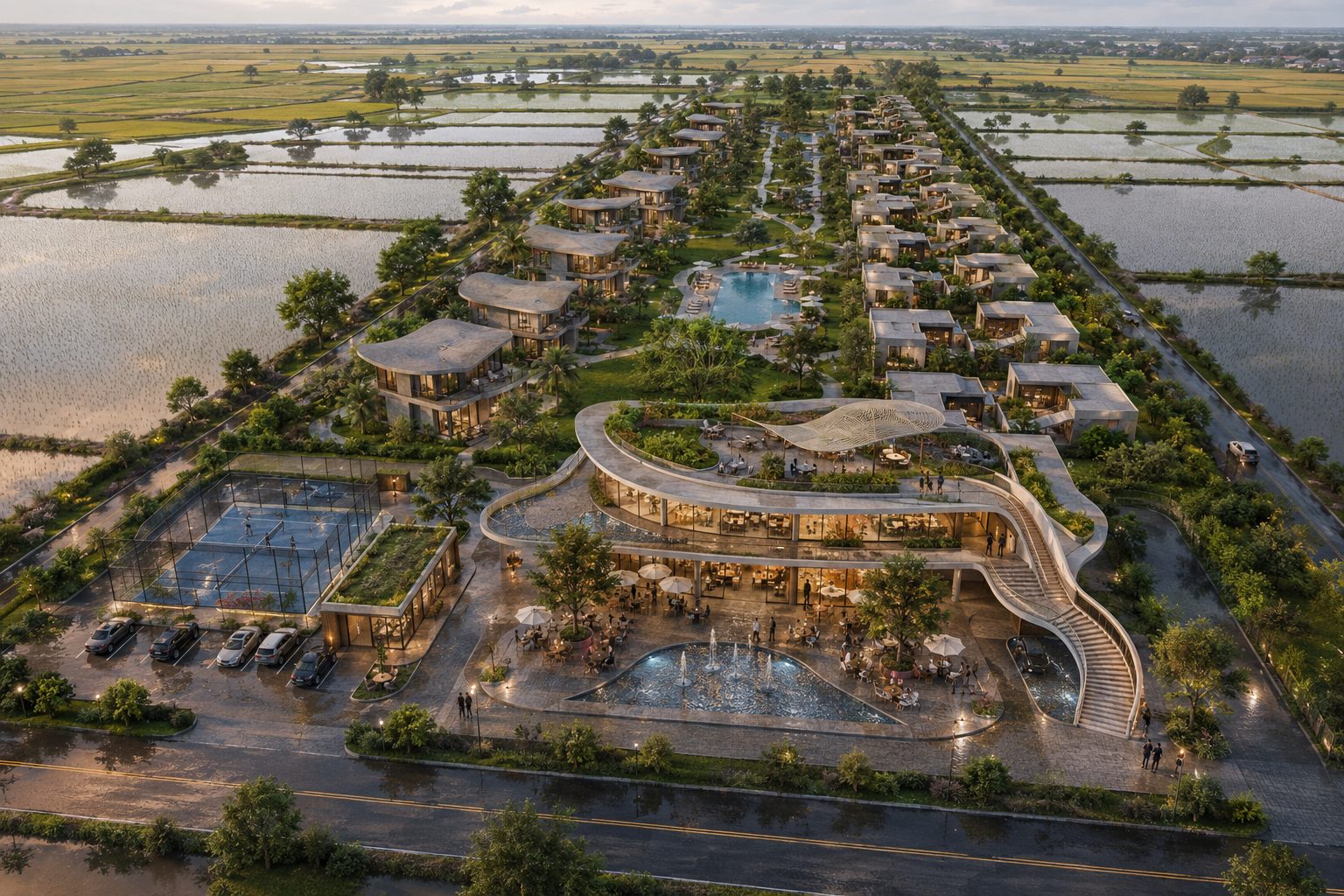 MazandaranZ Life | Tourism Village Study
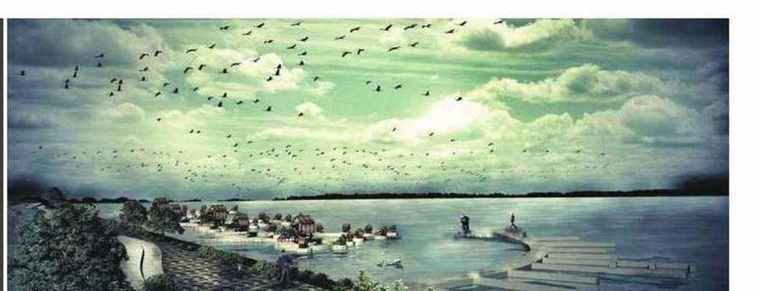 MazandaranAbbasabad Tourism Study
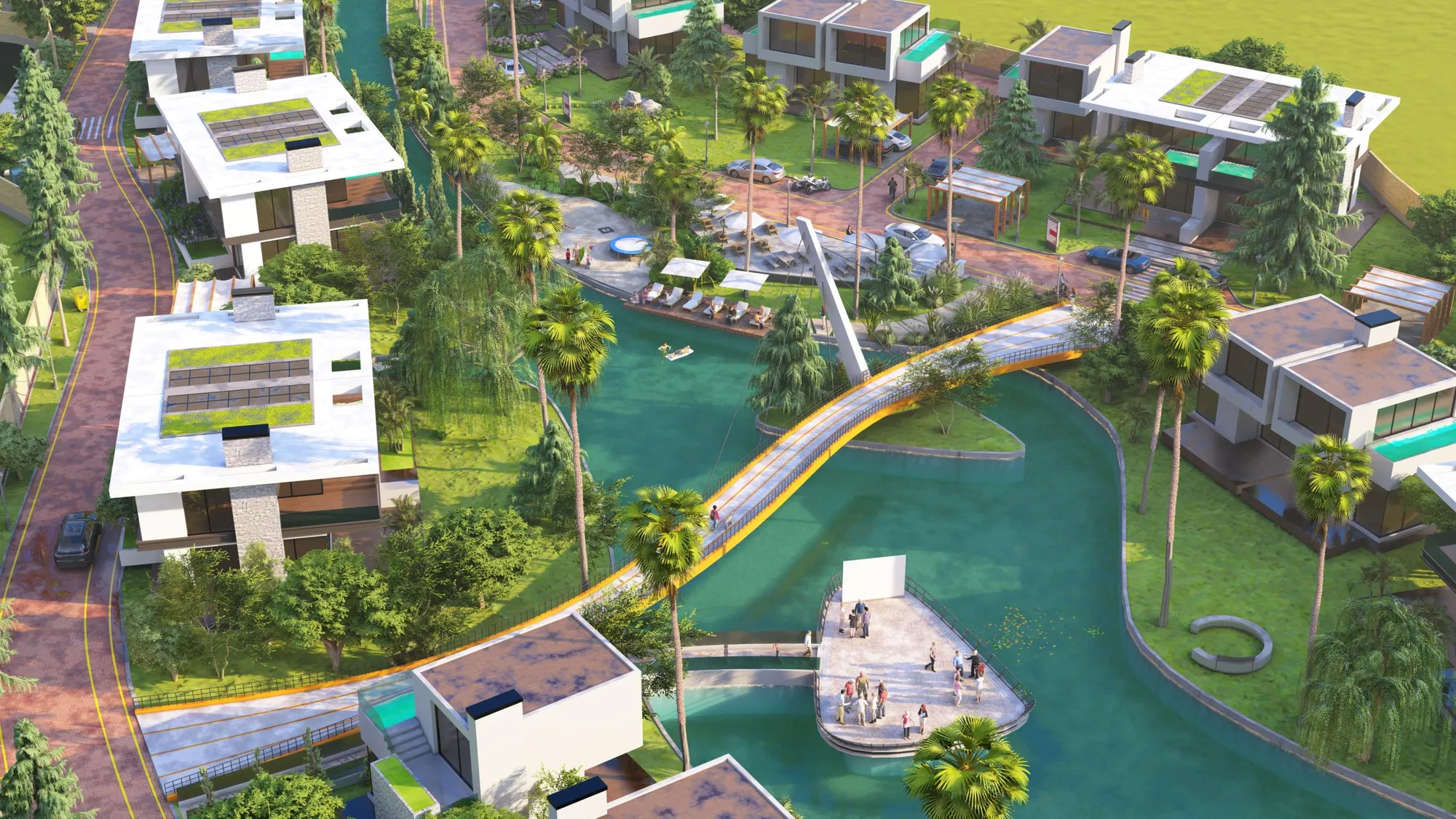 MazandaranVENIZA | Architecture along the Water
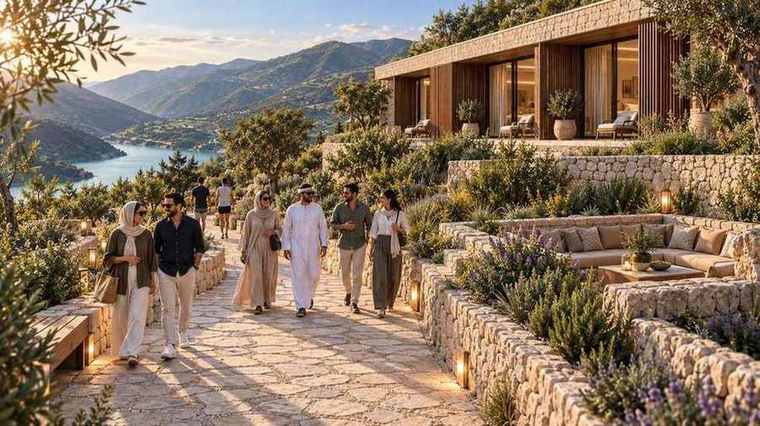 Near Mahmoudabad, MazandaranZ Village | Villa Village, Mahmoudabad